






















Pottsville City Council members are facing a nearly half-million-dollar deficit heading into 2027, and a property tax increase is looking more and more like part of the fix.
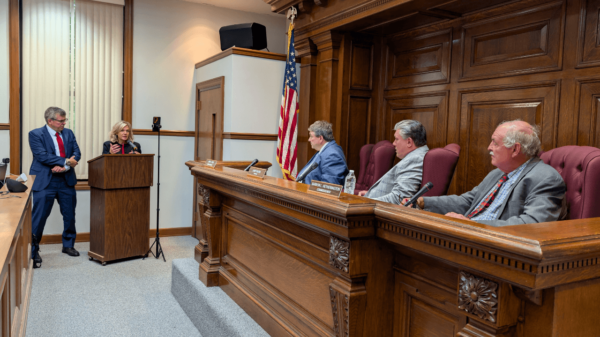
At a workshop meeting Wednesday evening in City Hall, council members learned what was once a $1.6 million hole got a bit shallower after an initial budget proposal was trimmed by more than $775,000. However, that still leaves them staring at a deficit of $478,881 and a budget with $0 in a contingency fund.
City Administrator Rob Straebel spelled out the numerous cuts it took just to get the deficit from seven figures to six, then told council members, “We have some tough decisions ahead of us.”
“This is a very lean budget,” Straebel said.
Councilman Jonathan Marsh, accounts and finance chairman, shared the palpable concern in the room Wednesday. “This is what we’ve been talking about. When we came in and looked at the five-year forecast, we knew that 2027 is when it started. We were coming in at a cliff,” he said.
Officials stressed that the ideas discussed during the roughly two-hour session are only suggestions for now. Approval of the preliminary budget won’t happen until Council meets again on Nov. 25.
Council Weighing Tax Increase for 2027
A property tax increase started sounding like one likely solution as the workshop carried on. A half-mill increase would generate about $435,000. Raising taxes 10% would generate about $476,000.
Right now, the Pottsville property millage is at 5.363. That means for a property assessed at $100,000, the owner must pay $536 for the year. Raising taxes a half mill would cost $50 more per year on that same property. A 10% increase would raise the annual bill about $53.
That still leaves the City short on balancing its 2027 budget – and with nothing in a contingency line item in the event of an emergency – so more cuts would be likely. The 2026 budget contained $150,000 in a contingency fund and that’s currently not included in the 2027 draft reviewed on Wednesday. (NOTE: This paragraph has been corrected from an original version of this article. The contingency budget line item was not used to balance the 2026 budget.)
Councilman Scott Price also pushed for controls on spending going forward to keep the City from going over budget, as is likely to happen this year.
Treasurer Taryn Dragna said the millage increases being proposed aren’t drastic. “People don’t want their fire department cut. They don’t want their police department cut. They have to be realistic,” she said.
Councilwoman Dottie Botto said people are more receptive to smaller tax increases than they are larger ones. She defended the idea of a small increase by saying her “priority” is keeping City employees employed to maintain services.
Price countered, “My priority is the 13,000 people a year after they just got hammered by a reassessment. People can’t afford stuff. I do not want to raise taxes on them.”
Could JFK Potentially Not Open in 2027?
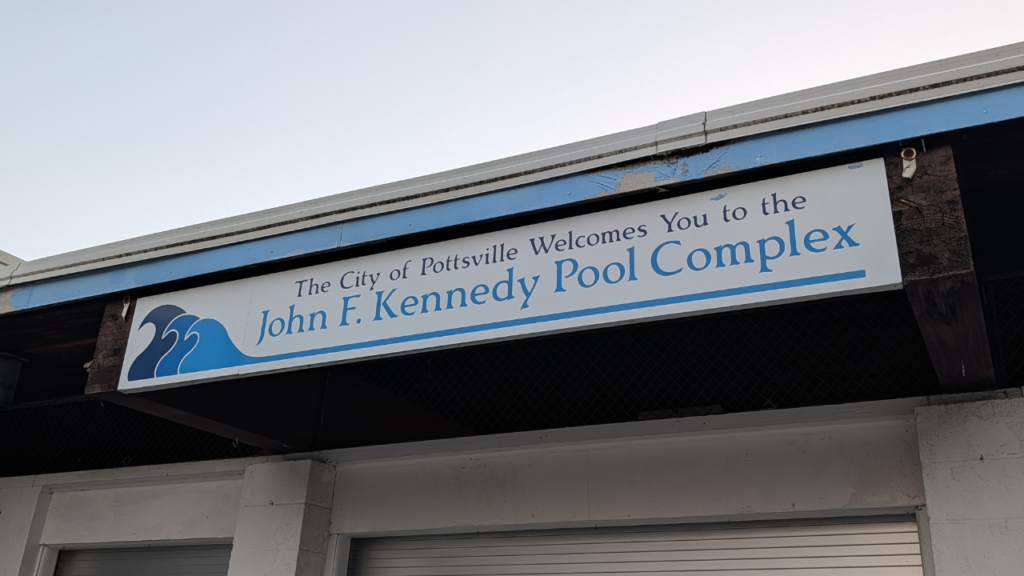
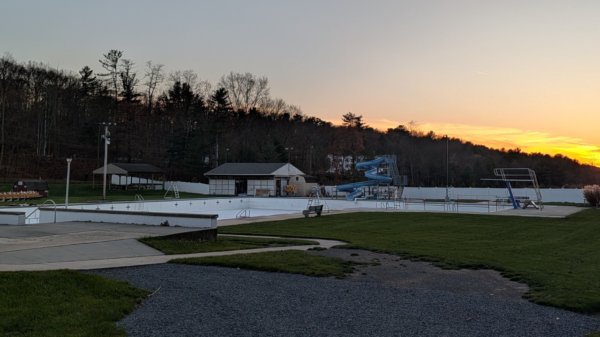
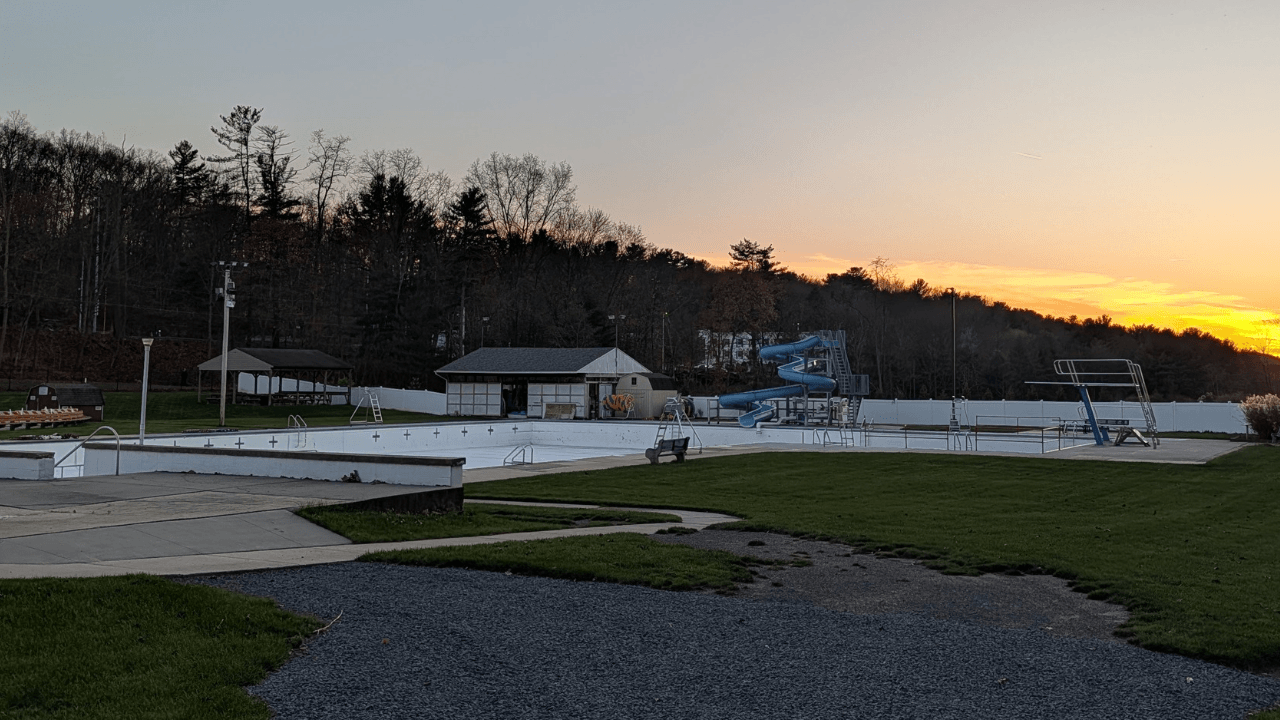
Another possibility floated inside the conference room behind City Council chambers was closing the JFK swimming pool for the coming year. City officials said the public pool operates annually at a loss of up to $200,000.
That may be a decision that has to be made regardless of the budget situation. Structural issues caused a significant leak last year, and Streets Superintendent Tom Whitaker said the condition of the baby pool at JFK isn’t much better. The City is waiting on the results of a feasibility study on pool repairs that officials worry may suggest closing the pool temporarily to make them.
Whitaker was blunt and said the feasibility study isn’t going to say “the pool is in great shape, keep it open.”
Botto worried that if the pool were closed, children who used it for recreation might find themselves causing trouble.
“I am not for putting JFK on hold,” she said.
Councilman Andy Wollyung suggested the City leave the pool out of the budget initially and use the time between the beginning of the year and a May 1 deadline “to find the money” to get it open for the 2027 season.
“I’m not saying we don’t open it,” he said. “It’s a worst-case scenario.”
However, when pressed about the possibility of the pool not opening next year, Straebel said that and other options are still on the table until the City can balance its preliminary budget.
“It’s a consideration at this point. The budget is still fluid. We’re considering not opening the pool in ’27,” he said.
Straebel said the City will likely introduce an ordinance before the end of the year establishing new, higher rates for entrance to the pool in 2027. But that will likely only be a drop in the proverbial pool, as it were, toward reducing the overall deficit.
The Untouchables

One option that doesn’t seem as likely is cutting personnel.
“I think we absolutely need to not cut any personnel,” Wollyung said, defending that stance by saying everything the City is trying to accomplish, be it providing police coverage, code enforcement, or mitigating homeless encampments, depends on a person. Losing one makes those jobs tougher. “I would rather see us do other drastic measures than cut any personnel.”
Mayor Tom Smith agreed. He said, “Cutting employees to do the services is only going to make things worse.”
Council members were already lamenting not being able to fill a vacant position with the City’s street crew, which saves about $88,000 considering salary and benefits. They really balked at Straebel suggesting that another person from the street crew could be cut to save money.
Cutting a patrol officer from Pottsville Bureau of Police – at $125,000 with salary and benefits – seems unlikely, too.
In fact, Straebel said he believes the City actually needs a third Code Enforcement officer due to the immense workload already on the two existing people in the office.
Marsh reminded those who backed maintaining the status quo on staffing that, “These are all good sound bites but we’ve got to pay for them.”
Officials did discuss increasing fees for things like code enforcement fines and permits, utilities cutting up roads to access their infrastructure, and the bump in pool entrance costs, but Straebel warned, “Fees are not a panacea for our budget woes.”
Subscribe to Coal Region Canary
Get email updates from Coal Region Canary by becoming a subscriber today. Just enter your email address below to get started!Support Coal Region Canary
Like our reporting and want to support truly local news in Schuylkill County? Your small donations help. For as little as $5, your contribution will allow us to cover more news that directly affects you. Consider donating today by hitting the big yellow button below ...